
How Online Donations Help People in Need Across India
Friday , 12 December 2025- 5 min. read
Online Donation in India
A lot of us have had the same experience: you stop at a signal, someone taps the window, you hand over a few coins, and then you drive off feeling like you’ve barely done anything. And honestly, you haven’t—not because the intention is wrong, but because the situation itself is much bigger than those few seconds at the junction.
That’s where donating online actually makes sense. It gives you a way to help properly instead of guessing or reacting in the moment. This is also why online donations to NGO platforms have become a more dependable option.
The internet has made the whole thing simple, maybe too simple. Anyone can put up a donation link now, which also means you’ve got to be a bit careful about who you support. That’s the tricky part. So this whole guide tries to lay out what to look for, where to donate if you want, places that have been around and are trustworthy, and how to help in ways that don’t always involve money. Whether you want to donate to poor people online or support long-term programs, the basics stay the same.
Why Online Donations Matter Right Now
It’s no secret that the gap between incomes in India is wide. A lot of people live right at the edge—daily wages, unstable work, no savings. One sickness in the family, one job loss, and everything spirals fast. And after COVID, the cracks became even more visible. People who were already struggling just slipped further down. This is why charity donation in India has become an essential support channel today.
The only silver lining is that NGOs and community groups moved online, and now you can see where your money goes. Most of them share photos, reports, numbers. You don’t have to rely on someone’s word anymore. And small amounts don’t feel “small” once you notice what they do on the ground. ₹300–₹500 can cover several meals or buy a week of groceries for someone who genuinely needs it, especially if you want to feed the hungry online. Monthly donations stretch even further.
Choosing What Area, You Want to Support
“Poverty” looks different depending on where you’re standing. For some, it’s about having no food. For others, it’s no roof. For children, it might simply be not having school supplies. It helps to narrow down what you care about instead of trying to solve everything at once. Some people are drawn to feeding programs. Some feel strongly about education. Some prefer healthcare support. Others want to help poor families in India in a direct way.
Here are the usual buckets NGOs work in:
- Food and basic meals
- Shelters or rescue programs
- Schooling (fees, books, uniforms, etc.)
- Healthcare (check-ups, medication)
- Skill training for adults who want steady work
Pick whatever you feel most connected to. There’s no “best” choice here, though many people specifically look for the best NGO for poor communities, depending on their cause.
Checking NGO Legitimacy
There are plenty of good NGOs, but also plenty you shouldn’t be giving money to. A few simple checks are enough:
- They should be legally registered (trust/society).
- Annual reports and audited accounts should be publicly available.
- Look at what they’ve actually accomplished, not just their slogans.
- Check reviews on GiveIndia, Milaap, Ketto, or similar platforms.
- Their website should explain the problem and what they’ve done about it, in actual numbers, not sweeping statements.
This isn’t any big investigation. It usually takes less than five minutes.
Indian NGOs That Have Earned People’s Trust Over Time
There are many good ones, but these seven have a reputation for being consistent and transparent:
1. Akshaya Patra Foundation
They run the mid-day meal program at huge scale. Their kitchens are impressive, and they’re very open with their reporting.
2. Goonj
They collect surplus material from cities and redistribute it to rural areas. They also handle disaster relief. Money usually goes toward transport and supplies.
3. Smile Foundation
They work with children and women, especially in education and basic healthcare. Even small donations go a long way here.
4. CRY (Child Rights and You)
More long-term work with communities—child protection, schooling, and healthcare. Not a quick-relief type NGO; they focus on stable change.
5. HelpAge India
Elderly support—medical care, shelters, rations. They work specifically with senior citizens who have nobody else.
6. Uday Foundation
Known for their hospital-related programs, especially meals and basic supplies for families in crisis.
7. Robin Hood Army
A volunteer-driven group that redistributes surplus food from restaurants to people on the street. Simple concept, very practical—especially if you're concerned about how to help homeless people in a hands-on way.
8. India Is Us (i2u Social Foundation)
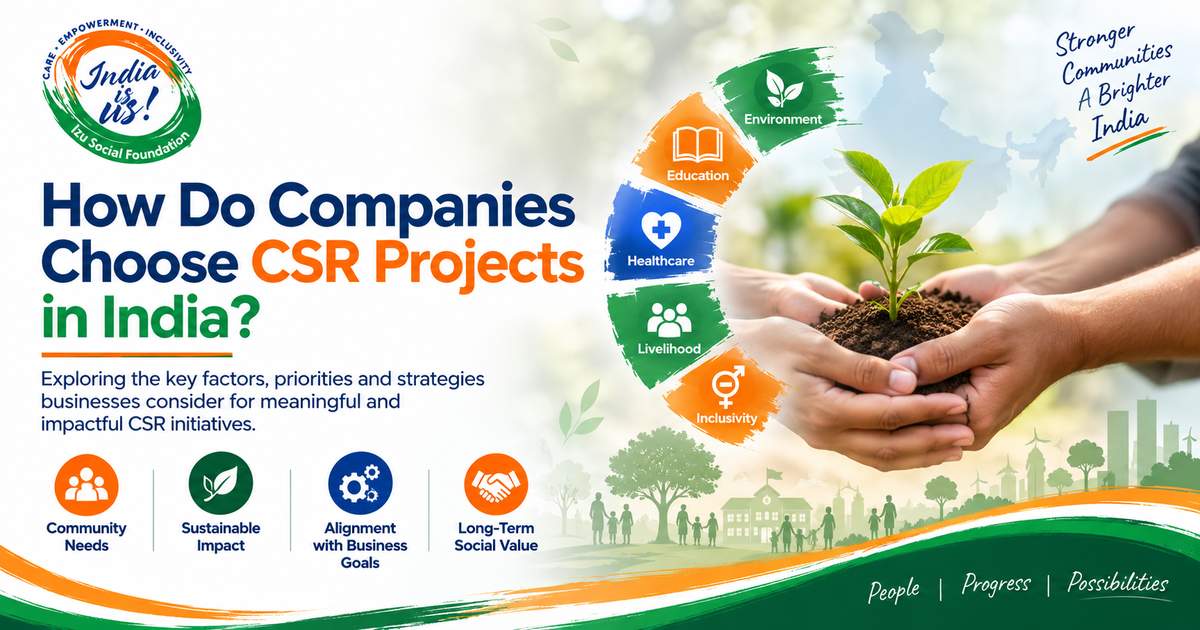
India Is Us (i2u Social Foundation) is an NGO support ecosystem created to assist companies in fulfilling their CSR initiatives by working with verified NGOs. i2u works with numerous NGOs across India, helping them perform better through capacity building, sustainable growth, donor and volunteer mobilization.
Making Online Donations Safely
A few boring but important things:
- Donate through official NGO websites.
- Check for “https” on the payment page.
- Keep your receipt—most NGOs give an 80G tax exemption.
- Avoid forwarded payment links on WhatsApp.
That’s basically enough.
If You Can’t Donate Large Amounts
Not everyone can give money, and that’s fine. Helping isn’t only about that.
- A lot of NGOs need volunteers who can write, design, handle spreadsheets, or just help with online outreach.
- You can start a small fundraiser with friends or colleagues.
- Donate on birthdays or festivals instead of buying unnecessary things.
- Share verified NGO links. Awareness actually matters.
Most long-running programs are built on many small acts, not a handful of large donors.
Clearing Up Some Common Myths
A few things people say all the time, which aren’t really accurate:
- “Small donations don’t do anything.” → They absolutely do. NGOs run mostly on them.
- “NGOs misuse donations.” → Some do, but the good ones publish every number.
- “You need big money to help.” → You don’t. Many programs run on tiny amounts stacked together.
The Ripple Effect of Donating
A meal helps a child study.
A stable income helps a family stay healthy.
An education lifts an entire community in the long run.
One small donation can start that chain. You may not see the whole picture at once, but it’s there.
Final Thoughts
Many people may simply scroll through donation requests and expect that someone else will come forward to continue to help without contributing anything towards the cause themselves. Everyone who donates to a non-profit organization, at least once, helps move the needle towards success. If you select a qualified NGO and provide whatever resources you can, it has a significant impact on the ground level. Whether you want to help the poor people in India with your own efforts or simply donate for the poor online, each bit counts.
There is no need for you to overthink your contribution. Select an area that means something to you, search for a reputable company in your chosen area, and provide your help in whatever way you can. Your help has more of an effect than you may think!
.png)
.png)
.jpeg)