
Crowdfunding in India: How Everyday Giving Is Quietly Changing Lives
Wednesday , 24 June 2026- 5 min. read.png)
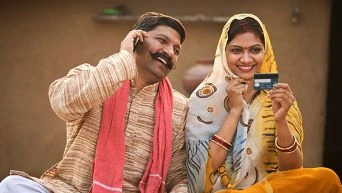
Ask anyone under thirty how they last gave money to a cause, and the answer often involves a phone, a UPI app, and a link shared by a friend, rather than a check or a collection box. That shift is crowdfunding, and it has quietly become one of the most common ways Indians support causes they care about.
What Is Crowdfunding
Crowdfunding is the practice of raising small amounts of money from people, usually online, to fund a specific goal. The goal could be medical treatment for a stranger, school supplies for children in a remote village, disaster relief, or the daily running costs of an NGO working on water conservation or elder care. Instead of depending on one large donor, a campaign collects many small contributions that add up to a meaningful sum. In India, this generally takes a few forms. Donation-based crowdfunding is where contributors give money without expecting anything in return, and it is the model most NGOs use for medical and social causes. Reward-based crowdfunding is common among creators and small businesses, where backers receive a product or perk. Peer-to-peer fundraising is where existing supporters run their own smaller campaigns on behalf of a larger cause. For social impact work, donation-based crowdfunding remains by far the most widely used format.
Why Crowdfunding Is Gaining Momentum in India
A few forces have made crowdfunding for NGOs far easier than it was a decade ago. UPI removed the friction of checks and bank branches, so a donation now takes under a minute from a phone. Internet access has expanded well beyond metro cities, putting campaigns in front of donors in tier two and tier three towns. Social media gives even a small NGO the reach that once required expensive advertising, and mandatory CSR spending under Indian company law has pushed corporates to actively search for credible causes worth funding.
Together, these forces explain why online donation platforms and crowdfunding sites in India have grown so quickly and why search interest in terms like "online donation," "NGO fundraising," and "crowdfunding platforms" keeps climbing year after year.
Process Of a Typical Crowdfunding Campaign
Most crowdfunding campaigns for social causes follow a similar pattern, whether they sit on a dedicated crowdfunding platform or a nonprofit's own donation page. A fundraiser or NGO sets a target amount and a deadline, then builds a campaign page with photos, documents, or a short story explaining the cause. The page is shared through social media, email, and personal networks to reach donors, who give what they can, often in small amounts, with many platforms also offering UPI and card options for quick, repeat contributions. Once funds are collected, the organization withdraws them and is expected to report back on how the money was used, ideally with receipts, photos, or a short update sent to everyone who contributed.
That last step, reporting on impact, is what separates a trustworthy fundraising effort from one worth questioning closely.
What To Check Before You Donate to a Crowdfunding Campaign
Crowdfunding has made giving easier, but it has also made it easier to launch a campaign with little oversight. A few signals of credibility are worth looking for before contributing to any fundraiser.
Check whether the organization running the campaign is a registered NGO with valid 12A and 80G certification, since this determines whether the donation qualifies for tax benefits under Section 80G of the Income Tax Act. Look for transparent fund usage, meaning the organization publishes how previous donations were spent, rather than only how much was raised.
For donors who want their contribution to reach a credible, accountable cause without researching every campaign individually, that layer of verification matters.
Crowdfunding And CSR
Crowdfunding is not just for NGOs and individuals anymore. Plenty of companies have started weaving it into their CSR activities too. A common setup looks like this: employees chip in small amounts toward a cause, and the company matches whatever gets raised. It works well for everyone involved. Employees feel more connected to where the money is going, instead of it just being a line item in a CSR report, and companies get a simple, visible way to show their CSR budget is doing something on the ground.
A Closing Thought
Crowdfunding has made giving more visible, immediate, and participatory than ever before in India. The natural next step for most donors is paying slightly more attention to where the money goes, choosing causes and platforms that can show their work rather than just a running total on a campaign page.
As crowdfunding continues to reshape charitable giving in India, choosing trusted platforms and verified causes becomes increasingly important. Explore donation campaigns by verified NGOs on India Is Us to support initiatives that drive meaningful and lasting social impact.
.png)
.png)
.jpeg)